How to Choose the Right Neighborhood

A practical guide to matching lifestyle, commute, schools, and daily routines with the right place to live.
Choosing a neighborhood is less about finding one perfect address and more about understanding how you want to live every day. A beautiful home can quickly lose its appeal if the location does not support your routine, priorities, or long-term plans. Start by defining your non-negotiables. Think about commute time, access to public transport, walkability, nearby schools, green spaces, shopping, restaurants, and healthcare. Separate the things you truly need from the features that would simply be nice to have.

Think About Your Daily Routine
Imagine a typical weekday in the neighborhood. How long will it take to get to work? Can you walk to a grocery store or coffee shop? Are the streets comfortable and well lit in the evening?
Small daily conveniences often matter more than impressive amenities you may rarely use. The right neighborhood should make your normal routine easier, not more complicated.
Visit at Different Times
A neighborhood can feel completely different depending on the day and time. Visit in the morning, during rush hour, in the evening, and on the weekend.
Pay attention to traffic, parking, noise, street activity, lighting, and the general atmosphere. A quiet area during the afternoon may become busy at night, while a lively district on Saturday may feel empty during the week.
Look Beyond the Property
Explore the streets around the home rather than focusing only on the building itself. Notice how well public areas are maintained, what kinds of businesses are nearby, and whether new construction or development is taking place.
It is also worth checking future plans for the area. New transport links, schools, parks, or commercial projects may improve the neighborhood, while major construction could affect noise and traffic.
Consider the Long Term
Your needs may change over the next few years. You might start working from home, change jobs, grow your family, or simply want more access to outdoor spaces.
Choose an area that offers some flexibility. A neighborhood that works for your current lifestyle and still feels practical in the future is usually a stronger investment.
Compare Several Areas
It is easy to become attached to the first neighborhood that feels right. Instead, compare at least two or three areas using the same criteria.
Consider property prices, monthly costs, commute time, nearby services, atmosphere, and future development. A simple comparison will help you make a more objective decision.
Trust the Experience, Not Just the Data
Research is important, but your personal impression matters too. Spend time walking around, visit local businesses, and imagine yourself living there.
The right neighborhood should not only meet your practical requirements. It should also feel comfortable, natural, and suited to the life you want to build.
More in Blog
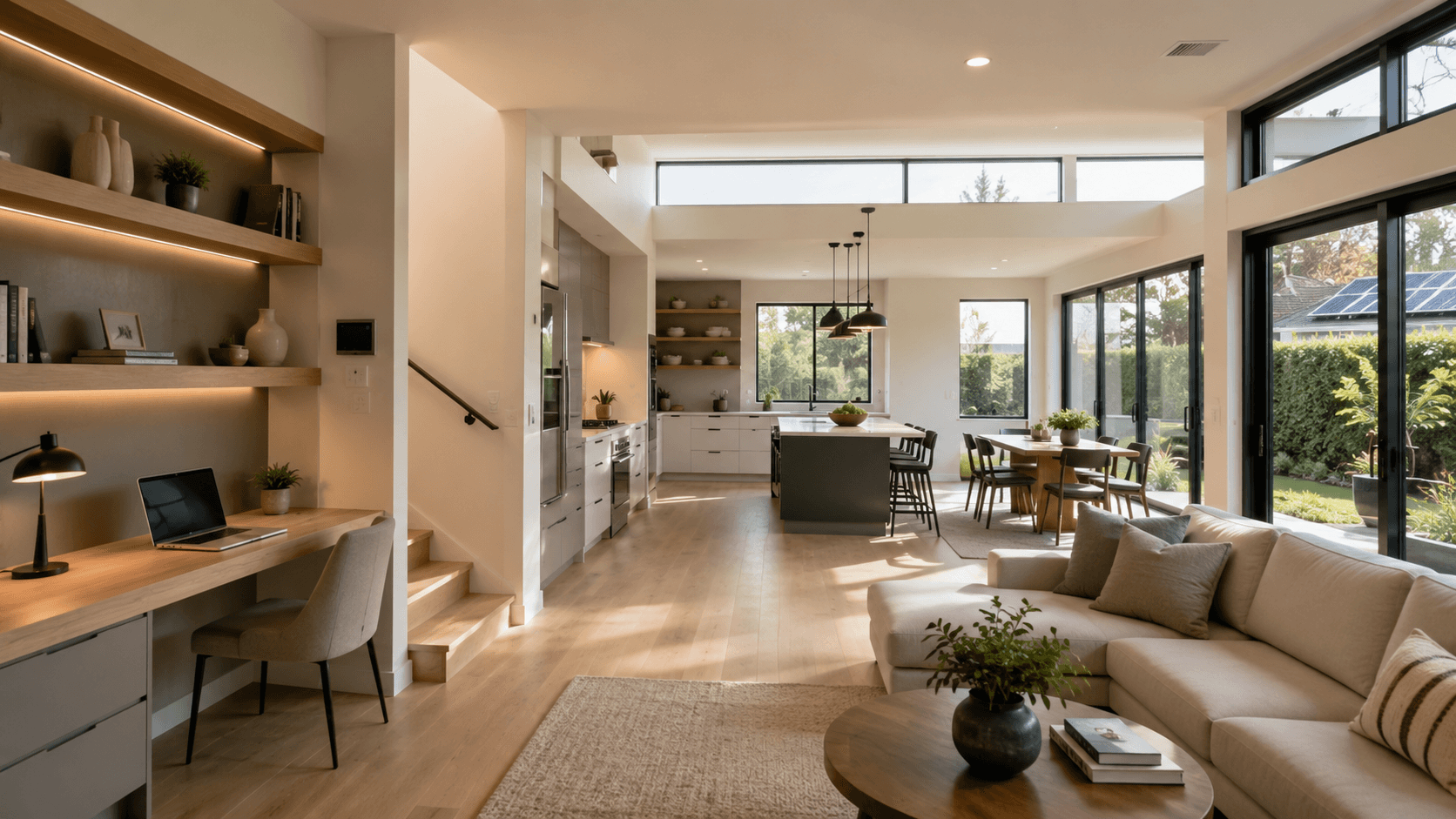
What Buyers Look For in 2026
Homebuyers in 2026 are looking beyond square footage and polished finishes. They want homes that support the way they actually live: flexible work schedules, changing family needs, lower running costs, and more time spent at home.

Preparing Your Home for a Strong Listing
A strong property listing begins before the photographer arrives. The goal is not to make the home look artificial. It is to help buyers understand the space quickly and imagine how it could work for them.

Reading Market Signals Before You Move
Real estate headlines often describe the market as either strong or weak, but local conditions are usually more complex. Before deciding when to buy or sell, it helps to look at several signals together rather than relying on one number.